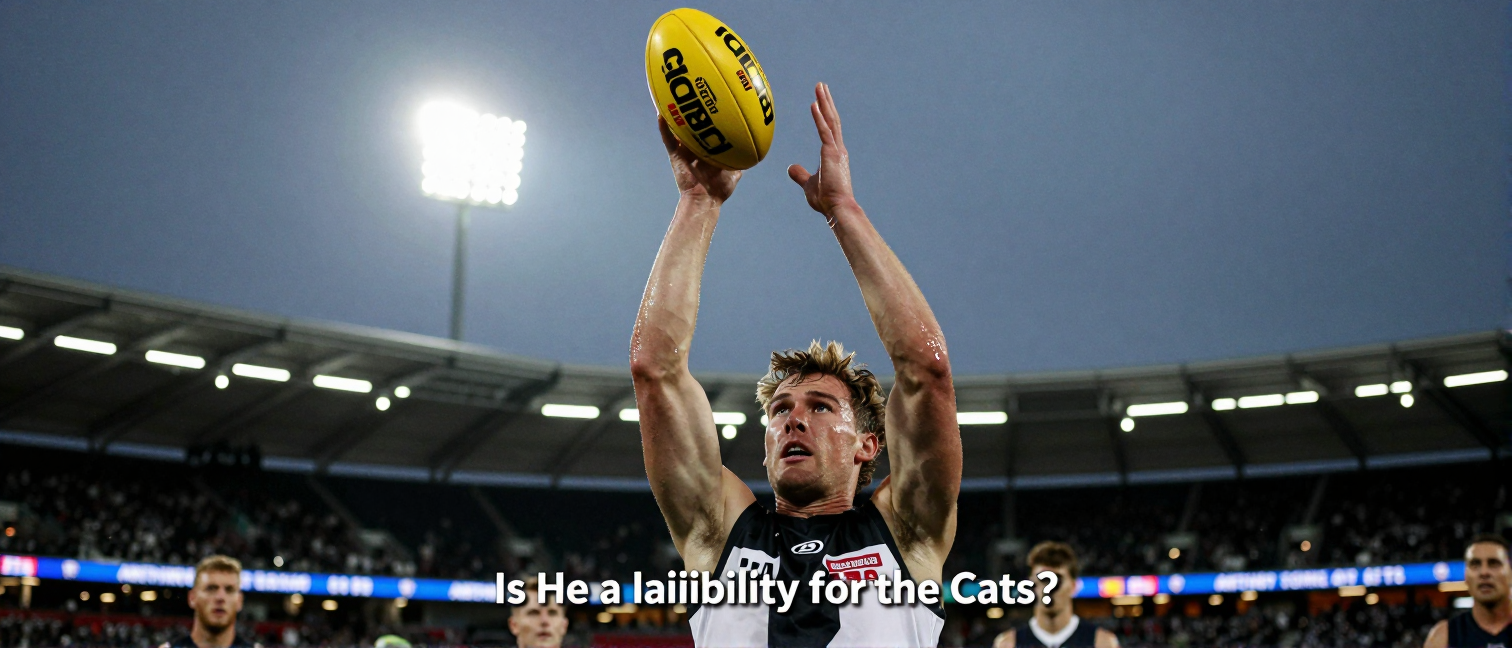
Jeremy Cameron drew fire on 7 July 2026 when pundits argued he has become a liability for the Geelong Cats in their current AFL campaign. The former Sydney Swans forward, now 31, has struggled to replicate his earlier goal‑kicking form, prompting a wave of over‑reactions across media and fan forums.
Why is Cameron being called a liability?
Critics point to his reduced impact in the last five matches, where he has managed just two goals and spent over 30 minutes on the bench. Former Cats midfielder Tom Stewart noted that Cameron’s defensive pressure has faded, leaving the forward line exposed to opposition turnovers. The lack of contested marks and his tendency to drift away from the goal square have forced Geelong to reshuffle their attacking structures, often at the expense of inside‑50 entries.
How does his performance compare to his peak years?
During his tenure at Sydney, Cameron averaged 2.4 goals per game and topped the league’s goal‑scoring charts in 2020 with 55 goals. This season, his average has slipped to 0.4 per game, a stark contrast that fuels the liability narrative. Statistics from AFL Tables show his contested marks have dropped from 4.2 per match in 2021 to just 1.1 this year, underscoring a tangible decline rather than mere opinion.
What are the broader implications for the Cats?
Geelong’s coaching staff, led by Chris Scott, have hinted at a possible role change, suggesting Cameron could be used as a decoy forward to free up space for younger targets like Tom Hawkins. If the Cats persist with the current setup, they risk losing forward momentum in tight contests, especially against teams that press high. Conversely, a strategic repositioning could revive his influence, allowing his experience to guide emerging talent.
What’s next for Jeremy Cameron?
The next match on 14 July pits the Cats against the Brisbane Lions at the Gabba. All eyes will be on Cameron to see if he can break his goal drought and silence the critics. Should he fail to make an impact, trade speculation may intensify, with rumors linking him to a potential return to the Sydney Swans or a move into a mentorship role at another club. For now, the debate rages, and Cameron’s future hinges on his performance in the coming weeks.
How are fans reacting?
Geelong supporter groups have taken to social media, with hashtags like #CameronLiability trending on Twitter. While some fans call for his removal, others defend his veteran presence, arguing that his off‑field leadership remains valuable. The split reflects a broader tension between short‑term results and long‑term squad stability.
Can Cameron turn the tide?
At 31, Cameron still possesses the physical tools to compete—his 190 cm frame and strong kicking ability are assets. If he can adapt his game, focusing on leading patterns and quick releases, he may yet prove the liability label premature. The upcoming fixtures will be the true test of whether he can reshape the narrative and help the Cats regain their winning rhythm.